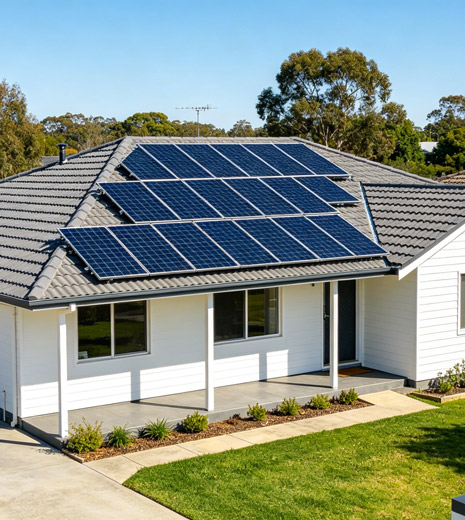
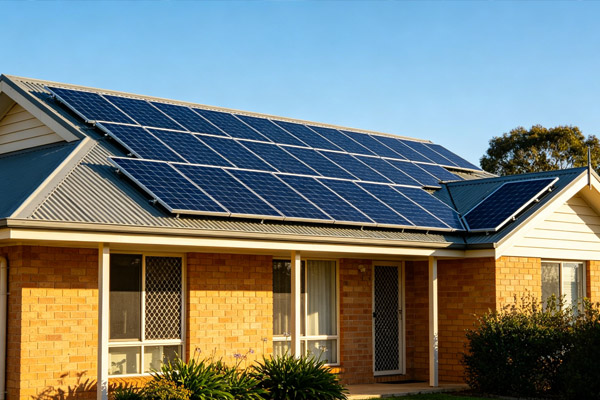
As electricity prices continue to rise, more and more households are paying attention to solar power generation systems. The household solar energy system converts sunlight into electricity through photovoltaic panels installed on the roof, directly supplying daily household electricity. When there is sufficient sunlight during the day, the power generated by the system can meet the electricity needs of most household appliances such as refrigerators, air conditioners, washing machines, lighting, etc., thereby reducing the amount of electricity purchased from the grid, and the electricity bill naturally decreases.
For households with high electricity consumption during the day, the energy-saving effect of solar energy is particularly significant. For example, in households where elderly people and children are at home or working from home, devices such as air conditioning, computers, and televisions run for long periods of time during the day. The solar energy system efficiently generates electricity at this time, achieving self production and self use, and maximizing electricity savings. If paired with energy storage batteries, excess electricity during the day can also be stored for use at night, further reducing dependence on the power grid.
In addition, installing solar energy systems is also a value-added investment for the house. Properties with solar energy systems are more favored by buyers in the market and have relatively higher resale value. Overall, household solar energy systems not only help households save on daily expenses, but are also a practical investment with stable long-term returns.